

Fiesta Design
Exposiciones
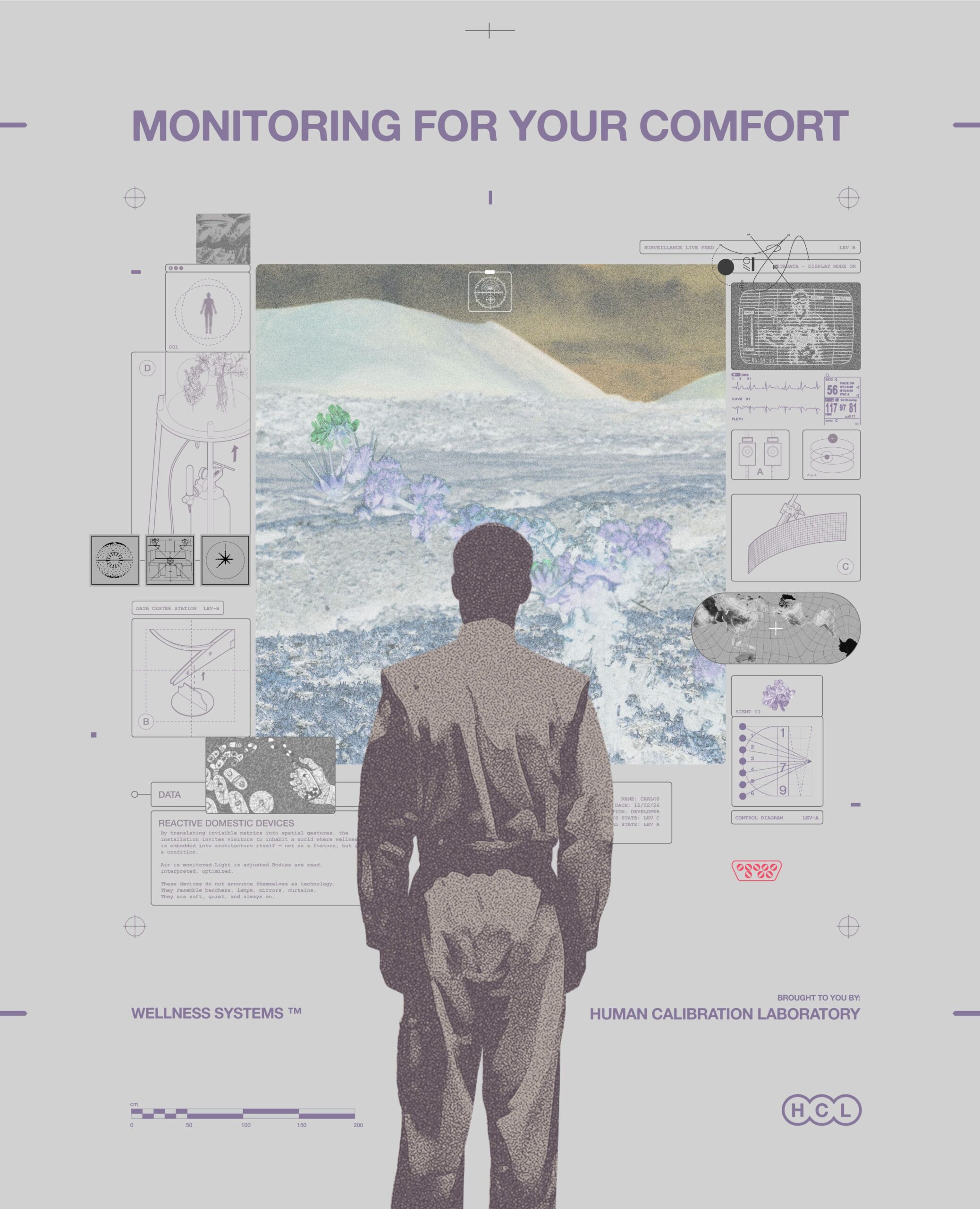
WELLNESS SYSTEMS
12 feb. — 22 feb. 2026
Institución Libre de Enseñanza
— Madrid
Patrocina
Spolia Office x Interface Workshop
Horarios de la sede
11:00 - 21:00
Sede
Institución Libre de Enseñanza
Paseo del General Martínez Campos, 14
Entrada
Gratuito hasta completar aforo
Ruta
Nuestro bienestar deja de ser una elección para convertirse en una infraestructura compartida.
Monitoreamos todo y operamos según los resultados, transformados en seres analizados y optimizados.
Human Calibration Laboratory surge en este contexto como una organización dedicada al análisis y la exploración especulativa de las convergencias entre cuerpo, datos y dispositivos en entornos domésticos.
Establece la vivienda como un espacio que deja de ser contenedor pasivo para convertirse en un sistema activo que percibe, interpreta, responde y recuerda. Variables como ritmo cardíaco, temperatura, niveles de estrés, calidad del sueño o decibeles ambientales se traducen en información operativa que modula objetos, mobiliario y atmósferas en tiempo real. Entendido como condición tanto física como mental, el bienestar ya no se prescribe: se diseña de manera sutil, casi imperceptible.
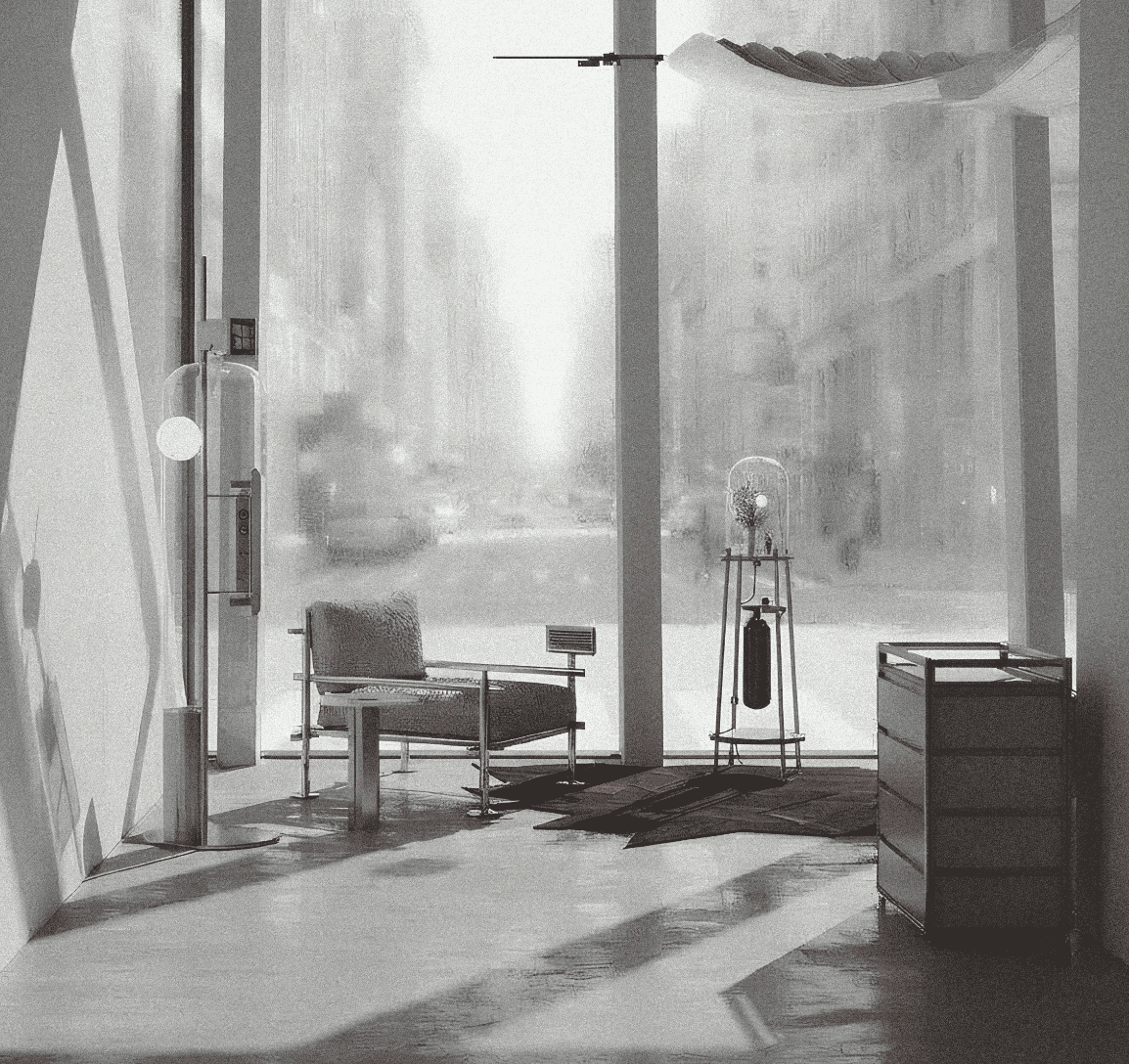
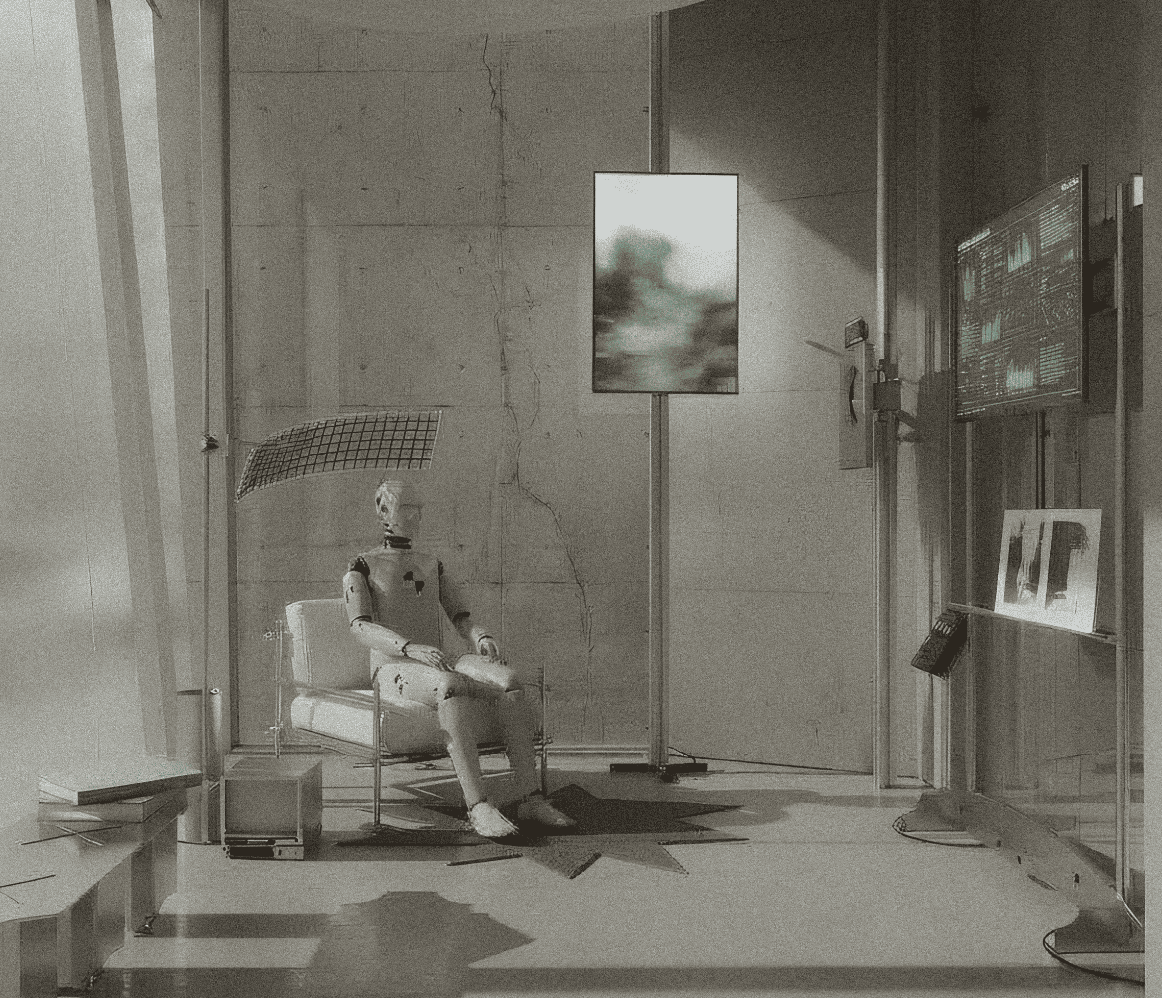
Materializada como el salón de un hogar, la instalación reúne dispositivos domésticos que operan de manera silenciosa y constante, integrándose al entorno cotidiano sin imponerse como tecnología visible.
Pantallas muestran datos recopilados y transmisiones en tiempo real, abordando la extensión del espacio doméstico al entorno digital. El proyecto establece así una relación directa entre sistemas de cuidado y mecanismos de vigilancia, revelando la delgada línea entre protección y control.
Sin limitarse al componente tecnológico como solución aparente, se plantean preguntas como:
-
¿Hasta qué punto el bienestar puede convertirse en forma de control?
-
¿Cuándo se vuelve irreversible un sistema de tecnología doméstica?
-
¿Quién gestiona los datos del cuerpo en el espacio íntimo?
-
¿Desde cuándo el cuerpo pasó a ser una interfaz?
-
¿Dónde se sitúan hoy los límites de la privacidad?
Traduciendo métricas en gestos espaciales, Wellness Systems invita a habitar una realidad donde el bienestar no es un atributo añadido, sino una condición de la arquitectura.
Human Calibration Laboratory cuenta con un archivo digital abierto que funciona como repositorio de datos, visualizaciones y documentación de sus investigaciones. Consulta el contenido en @humancalibrationlaboratory.
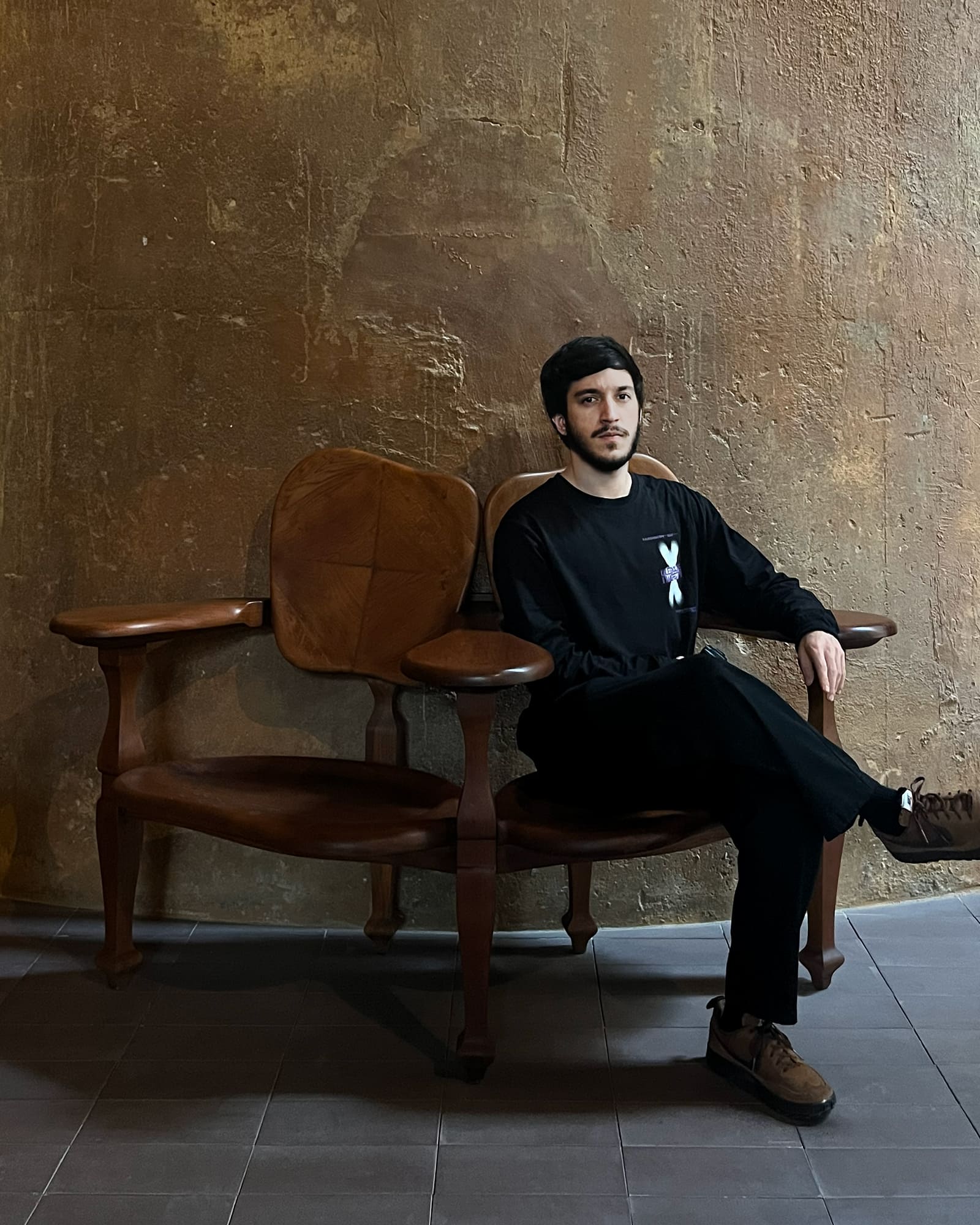
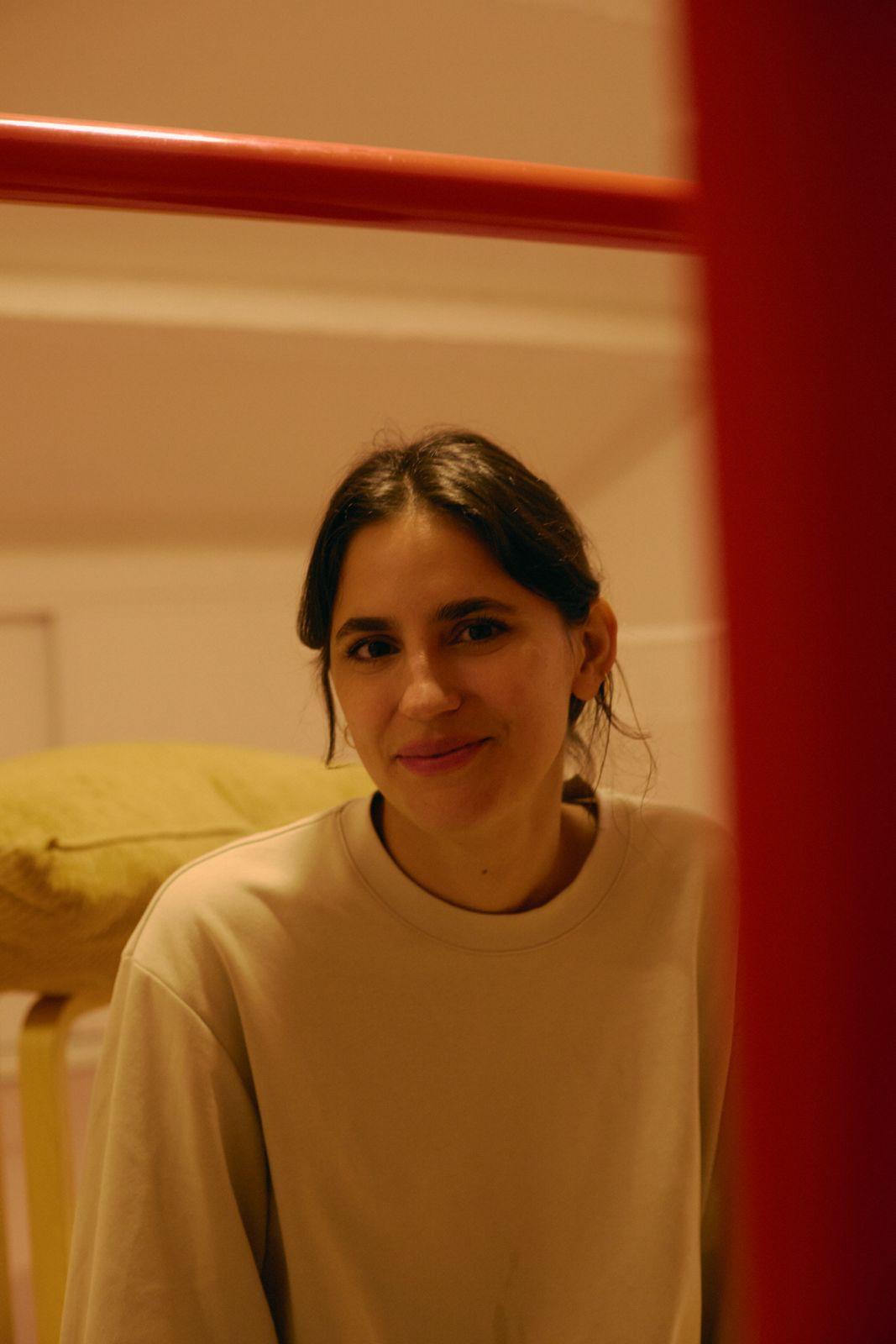
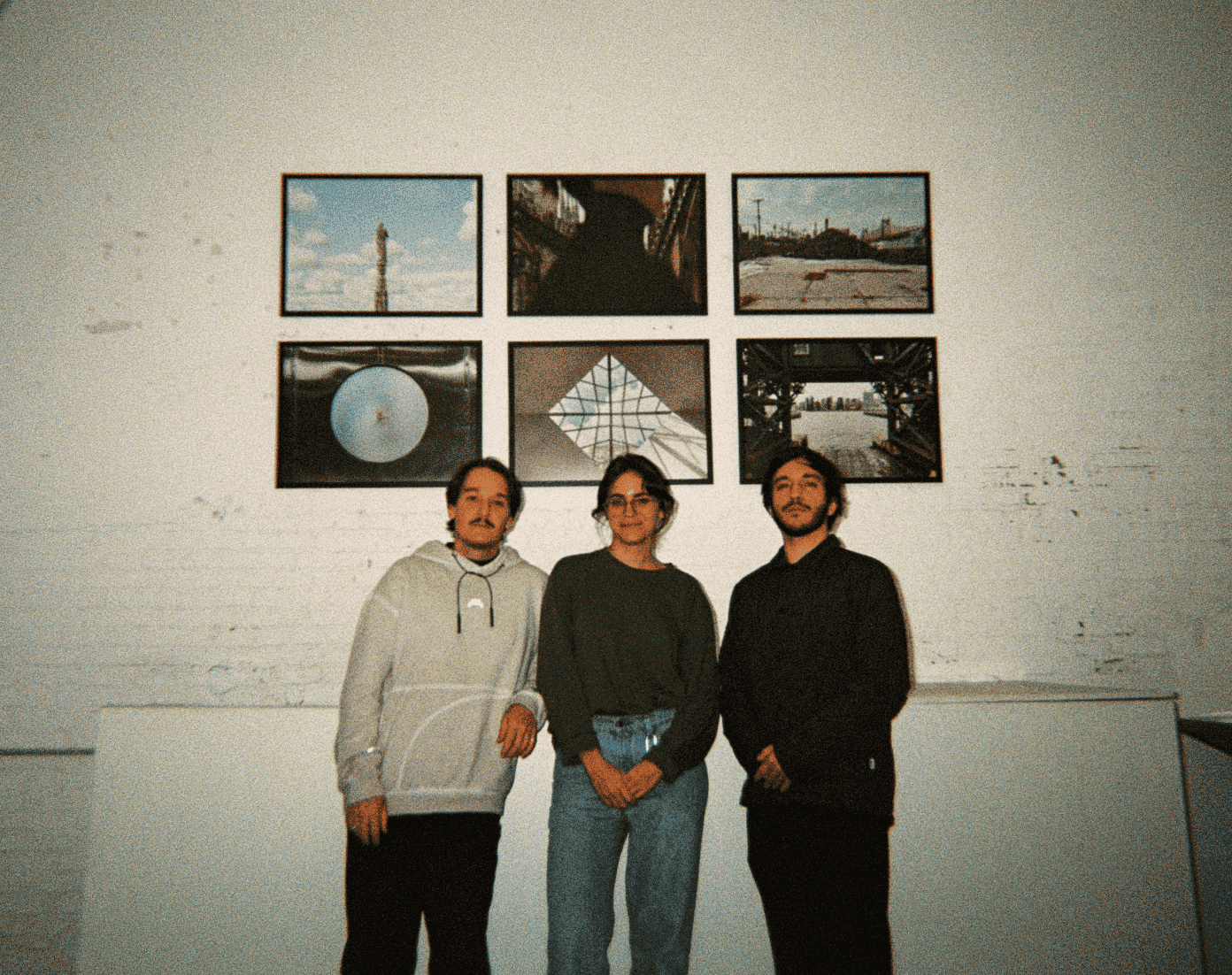
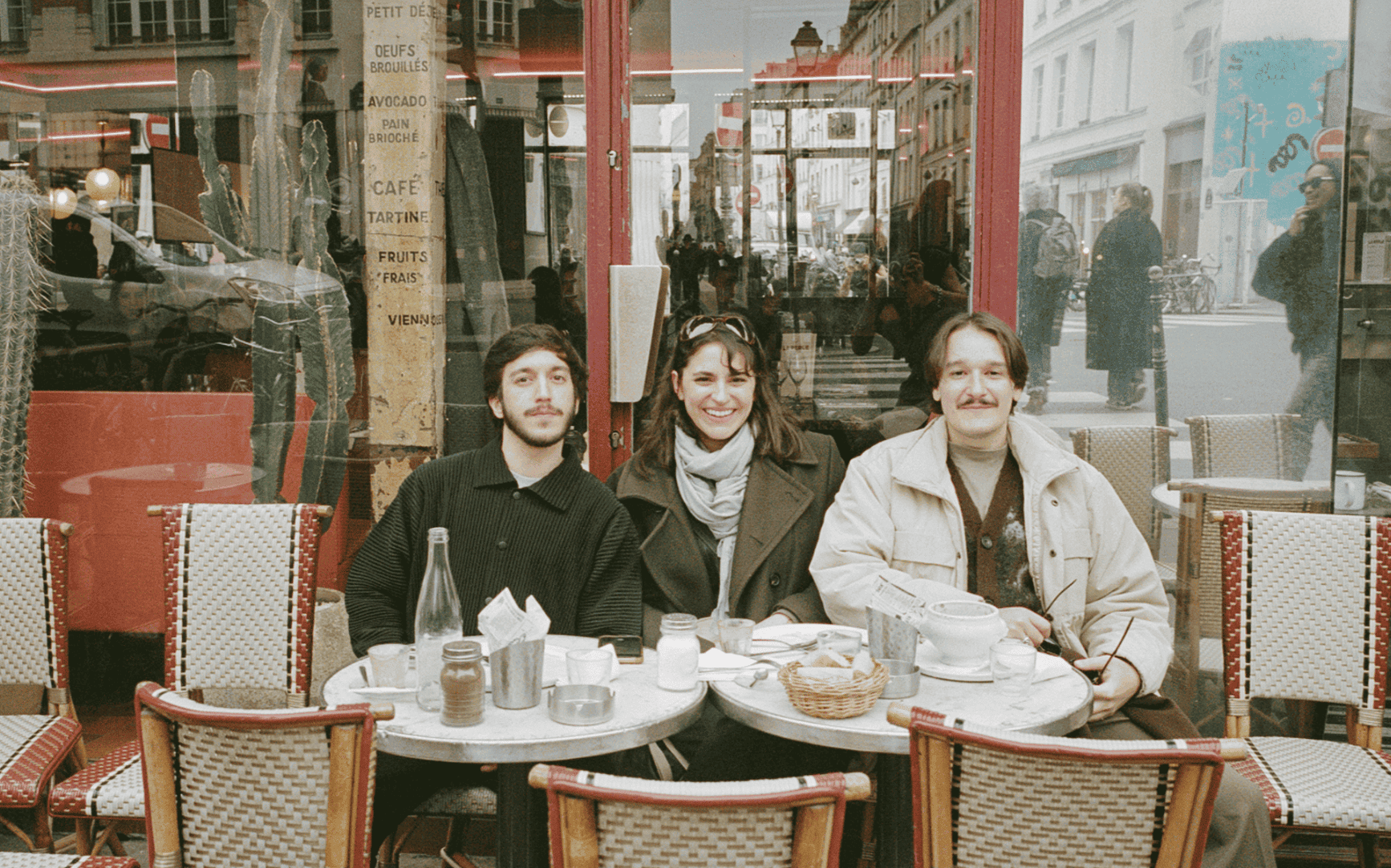
Mireya Fábregas y Juancho Mesa son cofundadores de Spolia Office, un estudio de diseño y fabricación que explora formas alternativas de habitar, representar y crear narrativas.
Mireya es arquitecta graduada en The Cooper Union y Juancho es arquitecto egresado de la Universidad Central de Venezuela. Su trabajo aborda el diseño desde una perspectiva crítica y experimental, integrando creación, técnica y pensamiento para proponer soluciones que investigan nuevas maneras de relacionarse con el espacio y el entorno, tanto físico como conceptual.
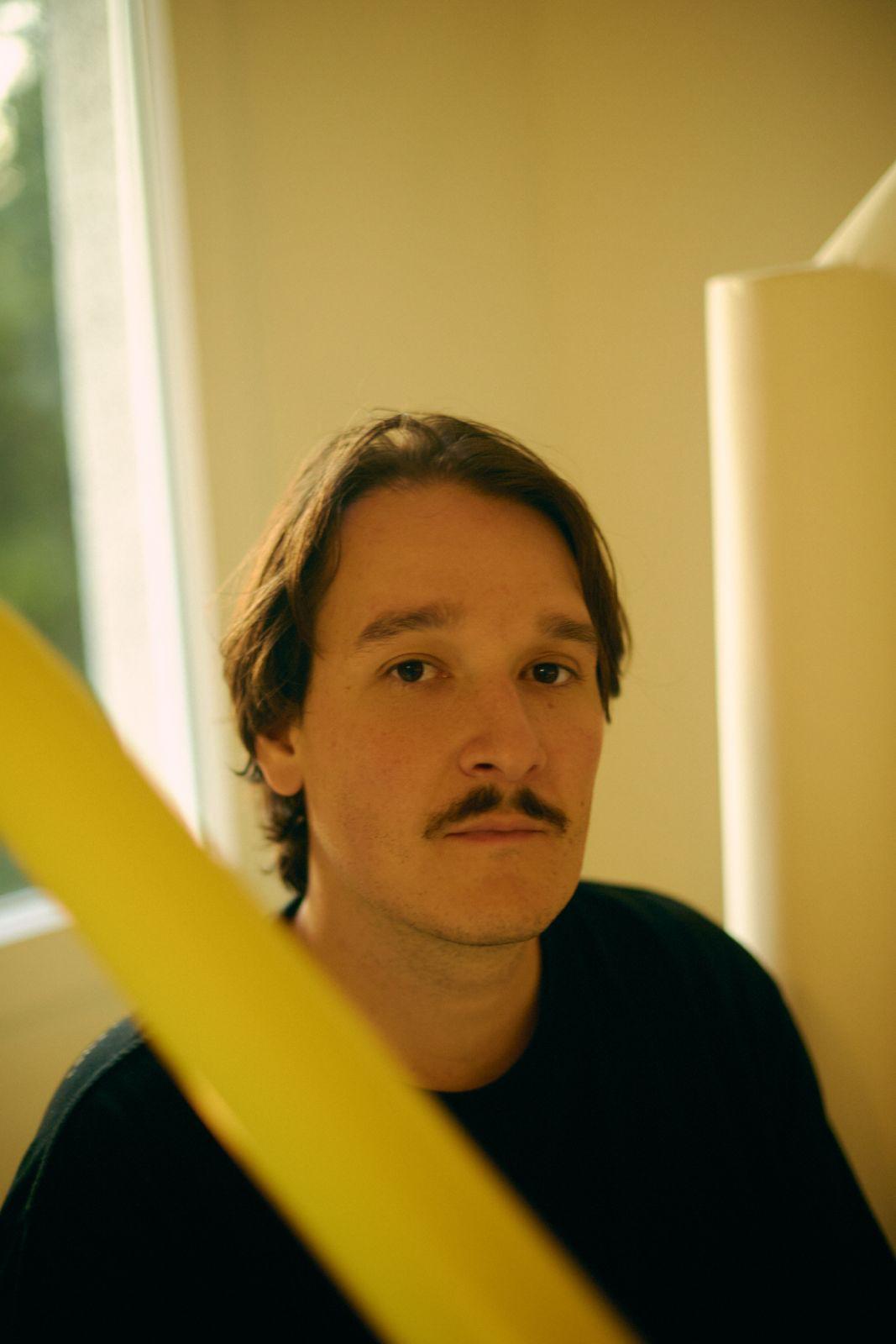
Saul Yuncoxar es arquitecto y artista visual especializado en identidades espaciales, narrativas visuales y escenarios inmersivos, explorando los límites del diseño entre el rigor y la experimentación. Es fundador del estudio Interface Workshop, desde donde desarrolla proyectos que unen arquitectura, arte y diseño en propuestas que desafían las convenciones espaciales y visuales.
Our well-being ceases to be a choice and becomes a shared infrastructure.
We monitor everything and operate according to the results, transformed into analyzed and optimized beings.
Human Calibration Laboratory arises in this context as an organization dedicated to the analysis and speculative exploration of the intersections between body, data, and devices in domestic environments.
It positions the home as a space that is no longer a passive container but an active system that perceives, interprets, responds, and remembers. Variables such as heart rate, temperature, stress levels, sleep quality, or ambient decibels are translated into operational information that modulates objects, furniture, and atmospheres in real time. Understood as both a physical and mental condition, well-being is no longer prescribed—it is designed subtly, almost imperceptibly.
Materialized as a living room, the installation gathers domestic devices that operate silently and constantly, integrated into the everyday environment without asserting themselves as visible technology.
Screens display collected data and real-time transmissions, extending the domestic space into the digital realm. The project establishes a direct relationship between care systems and surveillance mechanisms, revealing the fine line between protection and control.
Beyond technology as an apparent solution, it raises questions such as:
-
To what extent can well-being become a form of control?
-
When does a domestic technology system become irreversible?
-
Who manages bodily data in intimate spaces?
-
Since when has the body become an interface?
-
Where are the boundaries of privacy today?
By translating metrics into spatial gestures, Wellness Systems invites participants to inhabit a reality where well-being is not an added feature, but a fundamental condition of architecture.
Human Calibration Laboratory maintains an open digital archive that serves as a repository of data, visualizations, and documentation of its research. Explore the content at @humancalibrationlaboratory.
Mireya Fábregas and Juancho Mesa are co-founders of Spolia Office, a design and fabrication studio exploring alternative ways of inhabiting, representing, and creating narratives.
Mireya is an architect who graduated from The Cooper Union, and Juancho is an architect who graduated from the Central University of Venezuela. Their work approaches design from a critical and experimental perspective, integrating creation, technique, and thought to propose solutions that investigate new ways of engaging with space and the environment, both physical and conceptual.
Saul Yuncoxar is an architect and visual artist specializing in spatial identities, visual narratives, and immersive environments, exploring the boundaries of design between rigor and experimentation. He is the founder of Interface Workshop, where he develops projects that bridge architecture, art, and design in works that challenge conventional spatial and visual frameworks.