

Exposiciones
Manifiesto Mediterráneo
Mediterranean Manifesto
6 feb. — 3 may. 2026
Fernán Gómez. Centro Cultural de la Villa
— Madrid
Comisariado por
Mariona Rubio Sabatés
Patrocina
Cosentino
Sede
Fernán Gómez. Centro Cultural de la Villa
Plaza de Colón, 4, 28001 Madrid
Entrada
Gratuito hasta completar aforo
Ruta
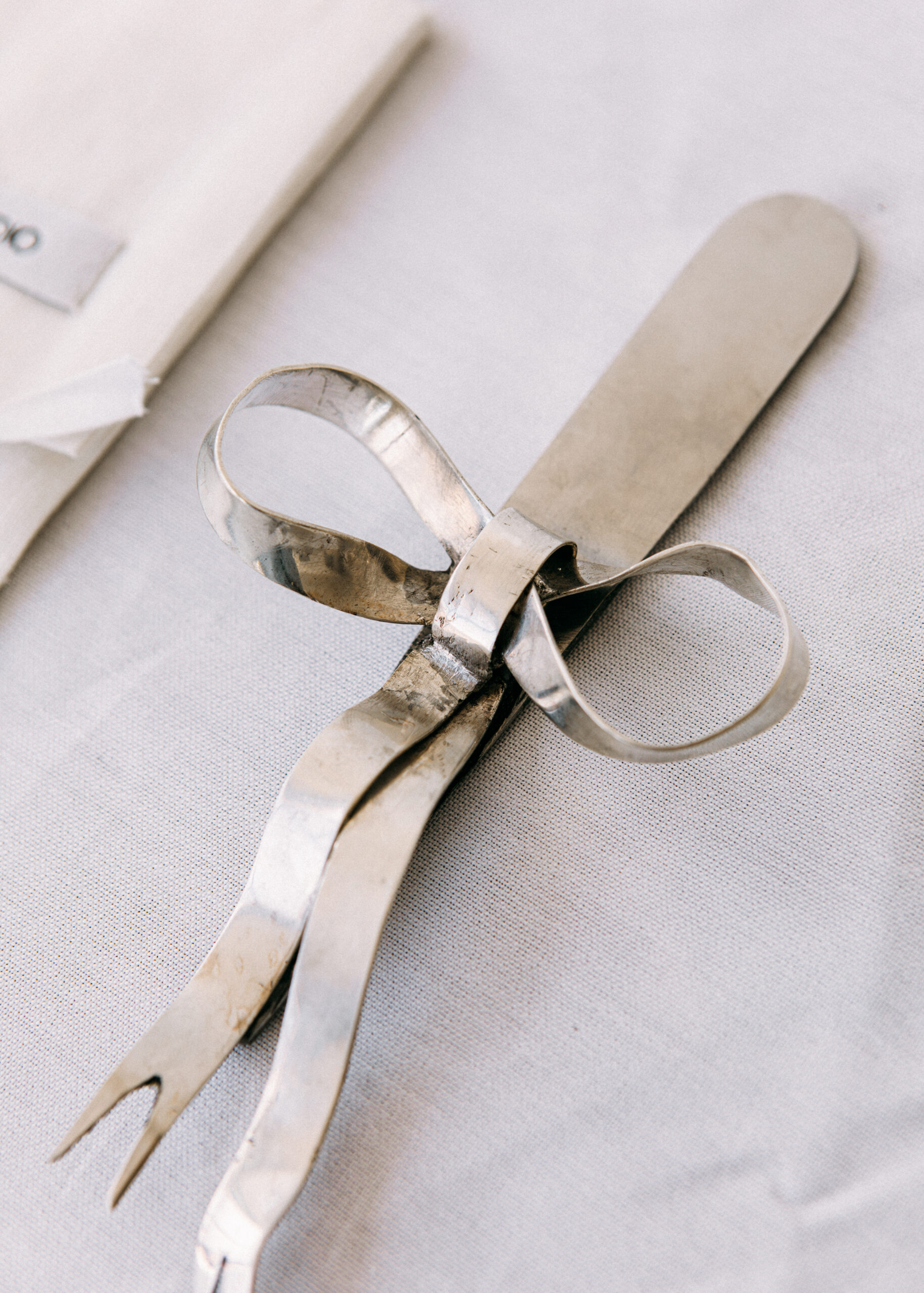
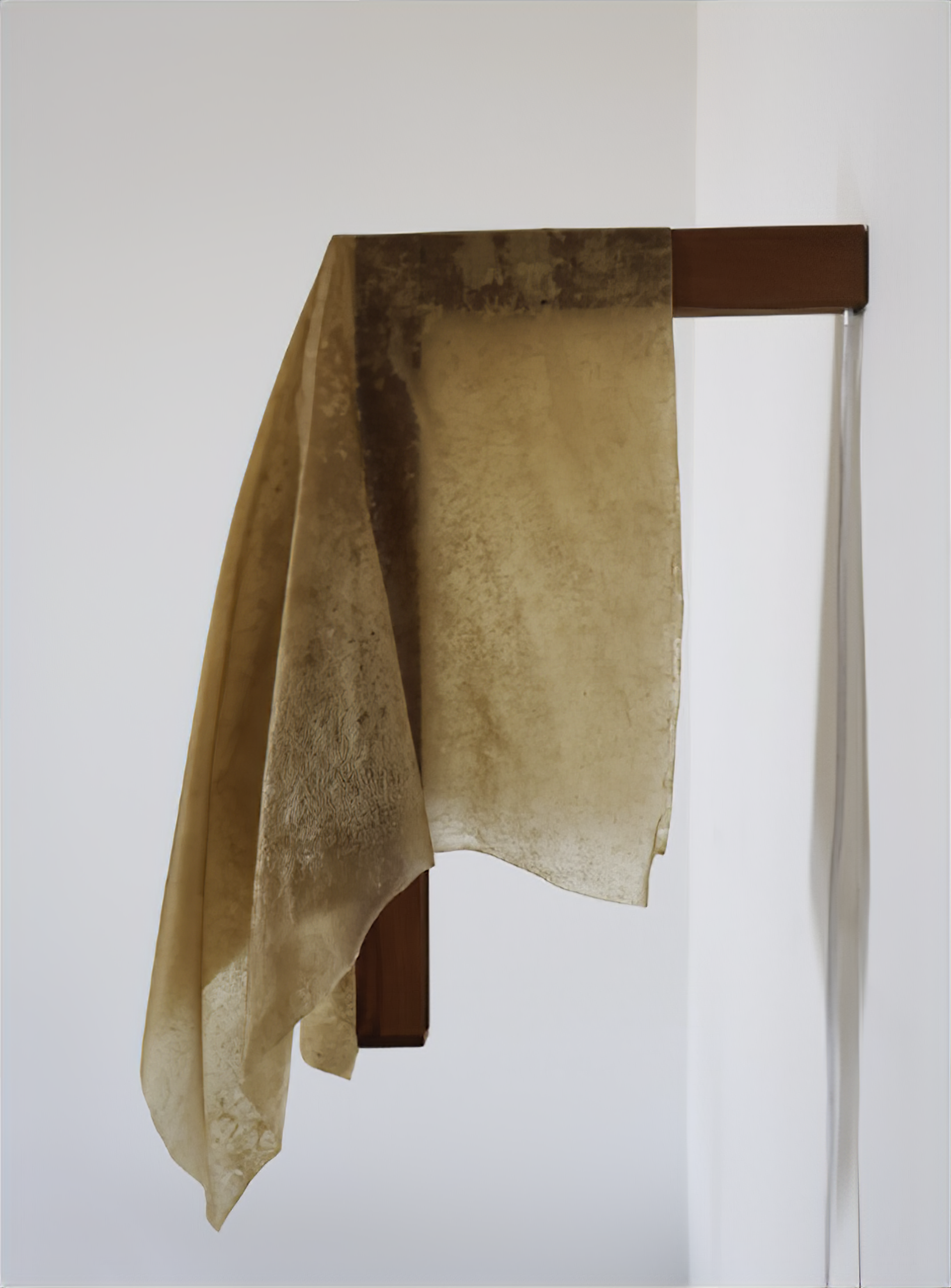
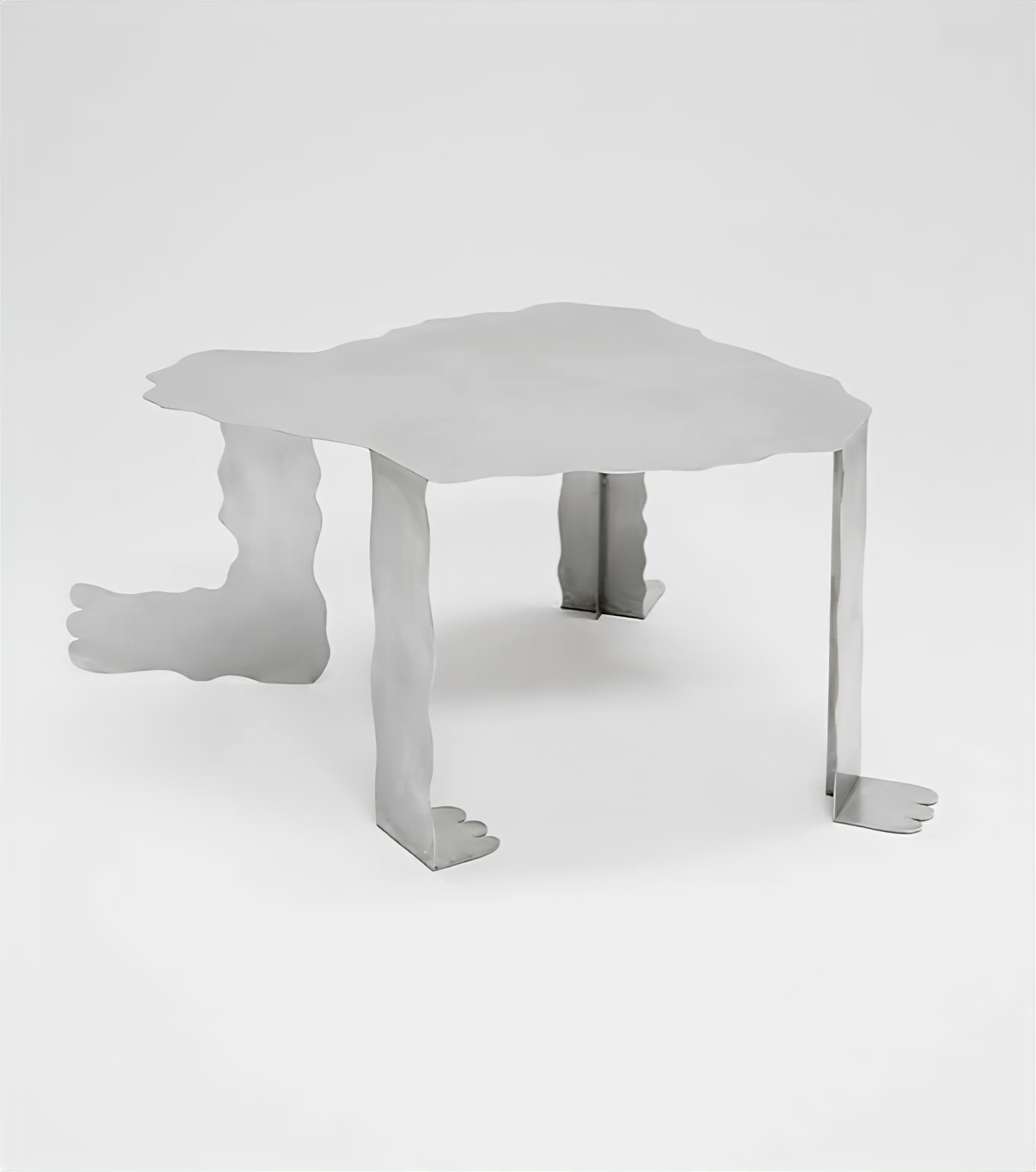
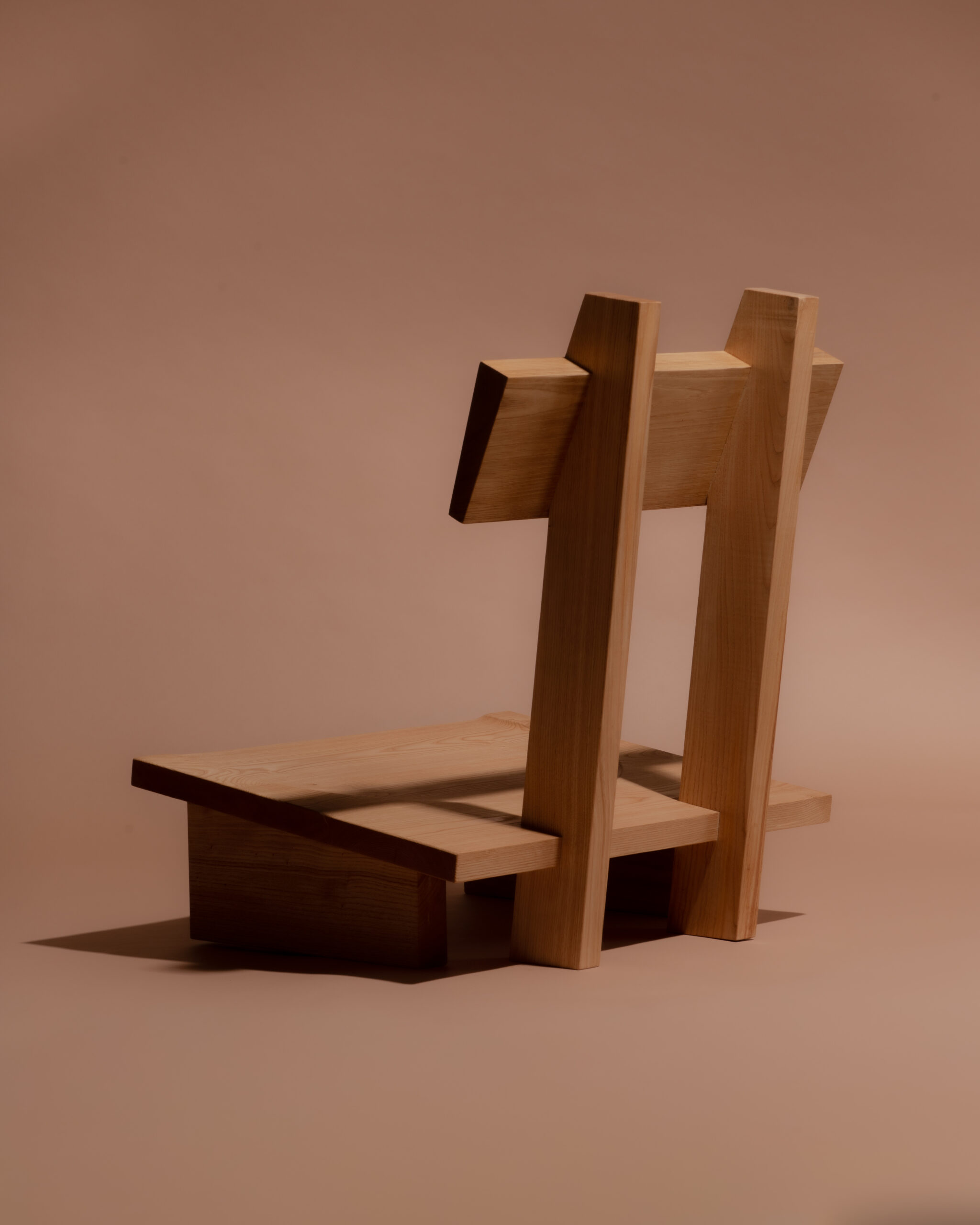
Exposición que agrupa un cambio de paradigma a la hora de vivir, a través de una selección de muebles de distintos diseñadores, la mayoría europeos.
Según Isidoro de Sevilla (VII d.C.), el Mediterráneo se llama así porque se trata, literalmente, de un “mar en medio de las tierras”. No es de extrañar, pues, que en la Antigüedad las siete Maravillas del Mundo conocido fueran mediterráneas; sin embargo, esas “Maravillas” pertenecían exclusivamente a los dominios de la arquitectura y la escultura. En esa misma época, el Mediterráneo inventaba otras maravillas en el campo del saber, del pensamiento y, más en general, de la vida humana; en otros casos, contribuía a su difusión. Esos hallazgos irían mucho más allá del Mare Nostrum, alcanzando un destino universal.
Desde la Antigüedad, ha sido un centro de innovación, alimentando civilizaciones con inventos como el alfabeto o el concepto del tiempo. Su herencia cultural abarca filosofías, ciencias y religiones, con un legado que sigue presente en las sociedades actuales.
Nuestro mar es un verdadero crisol de culturas, la cuna de gran parte del Patrimonio Mundial de la Humanidad. La región mediterránea es una de las zonas del mundo con mayor diversidad cultural en un espacio relativamente reducido. Históricamente, ha visto nacer, florecer y desaparecer a una gran variedad de pueblos, desde el Antiguo Egipto hasta la expansión del islam, entre muchos otros. A través de sus costas, el Mediterráneo ha servido como puente, facilitando intercambios culturales y comerciales entre diversas comunidades.
En estos periplos se sucedieron procesos de migración, intercambios y fusiones culturales, que hoy nos permiten hablar de una cultura mediterránea, de su cocina, su carácter y su forma de entender la vida. Nos ofrece un ideal de vida y un modelo ético, una metáfora intemporal de la buena vida que la sociedad capitalista está empeñada en hacer desaparecer.
La sociedad de consumo ha llevado a que nuestro mar se enfrente a graves desafíos medioambientales: contaminación por plásticos, mala gestión de residuos, turismo masivo y urbanización desmedida amenazan este ecosistema vital. Se estima que ya es el mar más contaminado del mundo, y expertos advierten de la urgencia de tomar medidas para restaurar su salud. La rica historia y diversidad cultural del Mediterráneo deben ser protegidas para que continúen influyendo en las generaciones futuras.
Esta muestra anima a descubrir artistas y diseñadores que, a través de la artesanía y la investigación, recuperan nuestras raíces, folclore y técnicas mediante lenguajes tradicionales. También incluye artistas que adaptan estas técnicas para crear lenguajes más contemporáneos e innovadores, como los art designers, un grupo de creativos que se autoeditan y que conforman una incipiente sociedad postindustrial. Buscan expresar la necesidad de construir una comunidad más sostenible, democrática, menos consumista, más cercana y real, en contacto con la naturaleza y el paisaje, donde la industria y el capitalismo ya no marcan los tiempos ni las formas. Una voz propia que huye del piloto automático.
Una selección de más de 30 artistas y diseñadores responsables de salvaguardar y renovar el legado del Mediterráneo, en el saber, el pensamiento, la vida humana, la artesanía y el diseño, desde talentos emergentes hasta figuras consagradas. La artesanía es sin duda una forma de reivindicar nuestra identidad cultural y patrimonio inmaterial, además de contar historias a través de la experimentación constante. Estos artistas custodian, dan valor y continuidad a oficios que parecían perdidos y que hoy se elevan a una categoría superior: el arte.
Como decía Voltaire, “las virtudes del cuidado y de la paciencia que ayuda a desarrollar la jardinería sirven de antídoto contra el frenesí, la avidez, el descontento con uno mismo y el afán consumista de nuestra época. En otras palabras, la hortiterapia”. En nuestro caso, la artesanía o el diseño autoeditado puede ser un remedio contra la lucropatía imperante, pues plantea un tipo de relación con la naturaleza no basada en la explotación ni la codicia, sino en la expresión y la toma de conciencia. Una relación simbiótica.
Desde artistas textiles, artesanos del vidrio, ceramistas, alfareros, cesteros, mosaicistas, carpinteros, diseñadores de muebles y muchos otros oficios, conforman esta nueva generación que busca democratizar el mundo y contar sus propias historias. Diseñan y crean piezas que se alimentan de nuestro entorno y cultura, con la intención de recuperar nuestro paisaje, identidad y una forma de vivir más lógica y humana, arrebatada por el progreso.
La muestra pone énfasis en el gran valor cultural del Mediterráneo, en su manera de entender la vida, en lo que este paisaje tan rico y plural puede ofrecernos, y en lo que puede pasar si no lo cuidamos. También destaca la importancia de estar presentes, de tomar conciencia de nuestras acciones y de todo lo que nos rodea, incluidos los objetos, evidenciando la transformación del diseñador industrial en un diseñador-artista-artesano. El objeto de consumo pasa a tener una identidad propia, a hablar del autor, de sus raíces y emociones.
Como dice el biólogo Manu San Félix en el documental “Salvemos nuestro Mediterráneo” de National Geographic: “Podemos devolver al Mediterráneo la vida con un mensaje realista pero esperanzador. Estamos a tiempo de salvarlo, pero es ahora o nunca.”
Los artistas recuperan el espíritu del siglo XIX, inspirados en el Romanticismo y los movimientos Arts & Crafts, para vivir de manera más plena y consciente. A través de sus creaciones, rescatan materiales, formatos y técnicas tradicionales, poniendo énfasis en la artesanía, la calidad y la conexión con la naturaleza. Este proceso es un viaje de transformación que expresa un camino interior hacia nuestra esencia. No solo crean objetos: fomentan una filosofía, una espiritualidad y una manera de vivir.
En una sociedad donde todo es inmediato y fugaz, detenerse y hacer las tareas con atención y cuidado es, quizás, un acto de resistencia y de reivindicación del arte de vivir.
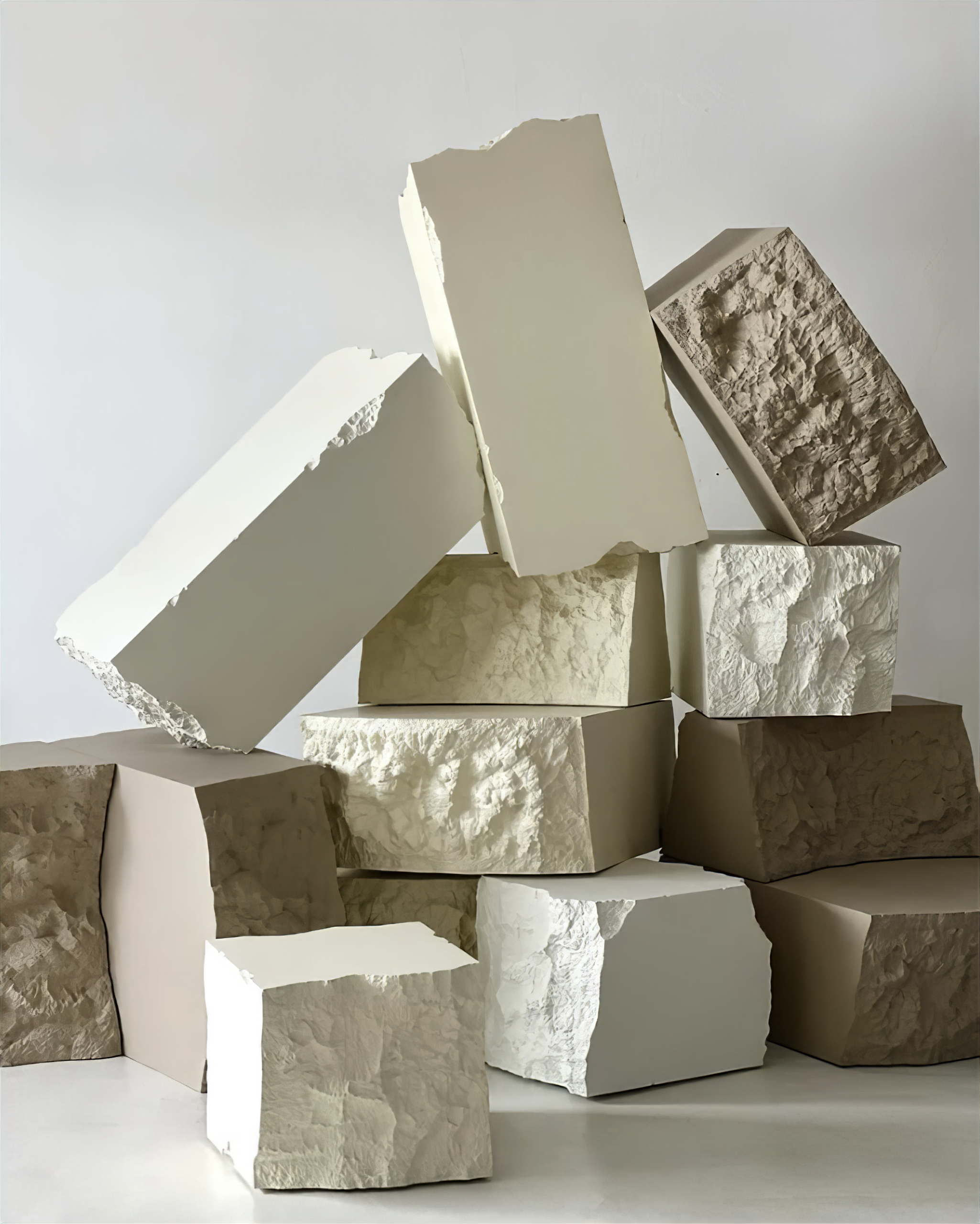
Consciente o inconscientemente, esta incipiente sociedad postindustrial se alimenta de tres fuentes: lo tradicional, lo reciclado y los nuevos materiales. Coinciden en algo: la pieza única, no seriada, “fea”, deforme, fragmentada, rugosa. Son defensores del defecto, de lo cotidiano, de lo íntimo, resaltando la belleza que surge del error, la imperfección y la subjetividad.
Su trabajo reivindica mucho más que lo estético: ofrece comentarios profundos sobre la cultura, la sociedad y los conceptos de belleza, invitando a reevaluar los límites de la estética y abrir la puerta a nuevas formas de expresión.
Estos diseñadores no solo crean objetos: promueven diseños inclusivos y respetuosos, dentro de una economía sostenible y circular, donde se usan materiales reutilizados y se diseña desde un enfoque humanístico, tecnológico y social. Fomentan lo local y abogan por la recuperación del folclore, sin miedo a integrar nuevas tecnologías.
Sus formas líquidas, orgánicas y singulares no imponen paradigmas ni tendencias: buscan un lenguaje plástico más cercano a la humanidad, a la naturaleza, al planeta. Un lenguaje que habla de imperfecciones, errores, improvisación, piezas únicas, personas que las elaboran y personas que las custodian en sus hogares.
Exhibition that brings together a paradigm shift in the way we live, through a selection of furniture by various designers, mostly European.
According to Isidore of Seville (7th century AD), the Mediterranean is so named because it is literally a “sea in the middle of the lands.” It is no surprise, then, that in Antiquity the Seven Wonders of the Known World were Mediterranean; however, those “Wonders” belonged solely to the domains of architecture and sculpture. At the same time, the Mediterranean was inventing other wonders in the fields of knowledge, thought, and, more broadly, human life, while also contributing to their dissemination. These achievements would go far beyond the Mare Nostrum, reaching a universal destiny.
Since Antiquity, it has been a center of innovation, feeding civilizations with inventions such as the alphabet and the concept of time. Its cultural heritage encompasses philosophies, sciences, and religions, with a legacy that remains present in contemporary societies.
Our sea is a true melting pot of cultures, the cradle of a large part of the World Heritage of Humanity. The Mediterranean region is one of the areas of the world with the greatest cultural diversity in a relatively small space. Historically, it has seen the birth, flourishing, and disappearance of numerous peoples —from Ancient Egypt to the expansion of Islam, among many others. Along its coasts, the Mediterranean has served as a bridge, enabling cultural and commercial exchanges between diverse communities.
Throughout these journeys, processes of migration, exchange, and cultural fusion took place, allowing us today to speak of a Mediterranean culture, its cuisine, its character, and its way of understanding life. It offers an ideal of living and an ethical model, an eternal metaphor of the good life that capitalist society strives to erase.
Consumer society has brought the sea to face serious environmental challenges: plastic pollution, poor waste management, mass tourism, and uncontrolled urbanization threaten this vital ecosystem. It is estimated that it is already the most polluted sea in the world, and experts warn that urgent action is needed to restore its health. The Mediterranean’s rich history and cultural diversity must be protected so they can continue to influence future generations.
This exhibition invites visitors to discover artists and designers who, through craftsmanship and research, recover our roots, folklore, and traditional techniques. It also features artists who adapt these techniques to create more contemporary and innovative languages, such as art designers, a group of self-editing creatives who form an emerging post-industrial society. They seek to express the need to build a community that is more sustainable, democratic, less consumerist, more genuine and connected to nature, where industry and capitalism no longer dictate time or form. A unique voice that escapes autopilot.
A selection of more than 30 artists and designers safeguard and renew the legacy of the Mediterranean —in knowledge, thought, human life, craftsmanship, and design— from emerging talents to established figures. Craftsmanship is undoubtedly a way to claim our cultural identity and intangible heritage, while telling stories through constant experimentation. These artists protect, value, and continue crafts that once seemed lost and that today rise to a higher category: art.
As Voltaire said, “the virtues of care and patience cultivated by gardening serve as an antidote to the frenzy, greed, dissatisfaction, and consumerist drive of our era. In other words, horticultural therapy.” In our case, craftsmanship or self-edited design can be a remedy against the prevailing profit obsession, proposing a relationship with nature not based on exploitation or greed, but on expression and self-awareness. A symbiotic relationship.
From textile artists, glass artisans, ceramists, potters, basket weavers, mosaicists, carpenters, furniture designers, and many other crafts, this new generation seeks to democratize the world and tell their own stories. They design and create pieces nourished by our environment and culture, intending to recover our landscape, identity, and a way of living that is more logical and human, reclaimed from the progress that had overshadowed it.
The exhibition emphasizes the great cultural value of the Mediterranean, its worldview, its richness and plurality, and what could happen if we do not care for it. It also highlights the importance of being present, becoming aware of our actions and everything around us —including objects—, revealing the transformation of the industrial designer into a designer-artist-craftsman. The consumer object gains a unique identity, speaking of the author, their roots, and emotions.
As biologist Manu San Félix says in the National Geographic documentary “Save Our Mediterranean”: “We can bring the Mediterranean back to life through a realistic yet hopeful message. We still have time to save it, but it is now or never.”
The artists revive the spirit of the 19th century, inspired by Romanticism and the Arts & Crafts movements, striving to live more fully and consciously. Through their creations, they rescue materials, formats, and traditional techniques, emphasizing craftsmanship, quality, and connection with nature. This process becomes a transformation, an inner journey toward our essence. They do not merely create objects: they cultivate a philosophy, a spirituality, and a way of living.
In a society where everything is immediate and fleeting, slowing down and carrying out tasks with care is perhaps an act of resistance and a reaffirmation of the art of living.
Consciously or unconsciously, this emerging post-industrial society draws from three sources: the traditional, the recycled, and new materials. They coincide in one thing: the unique piece, non-serial, “ugly,” deformed, fragmented, rough. They are strong defenders of the imperfect, the common, the everyday, and the intimate, highlighting the beauty that arises from error, imperfection, and subjectivity.
Their work asserts more than aesthetics: it offers profound commentary on culture, society, and concepts of beauty, inviting us to rethink aesthetic boundaries and open the door to new forms of beauty and expression.
These designers not only create objects but also champion inclusive and respectful design, aligned with a sustainable and circular economy, using reused materials and designing from a humanistic, technological, and social perspective. They foster local production and advocate for the recovery of folklore, unafraid to use new technologies.
Their liquid, organic, and singular forms impose no paradigms or trends: they seek a visual language closer to humanity, nature, and the planet. A language that speaks of imperfections, errors, improvisation, unique pieces, and the people who make them and keep them in their homes.